How does radioactivity work? Could hydrogen become the fuel of the future? How do scientists study the effects of lightning strikes and protect energy infrastructure from them? Participants at this year’s Night of Innovation – Power Science, organized by the Łukasiewicz Institute of Electrical Engineering in Warsaw and Wrocław, had the opportunity to learn the answers to these and many other questions.
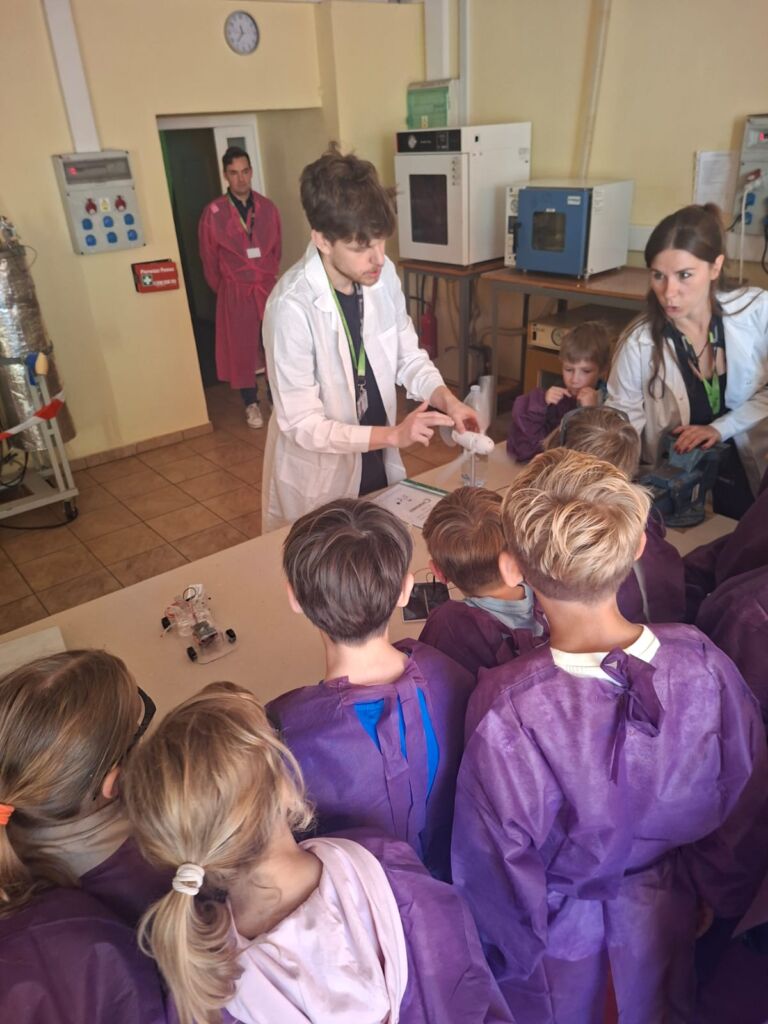
The events, aimed at children, teenagers, and anyone interested in the world of science and new technologies, were attended by a total of over 200 people. Guests had the opportunity to visit the Institute’s laboratories, meet with scientists, and see how the research conducted on a daily basis translates into the development of technologies that support the energy sector, transportation, and environmental protection.
Warsaw: From Radioactivity to Lightning Energy
At the Institute’s Warsaw headquarters, participants learned about phenomena and technologies related to modern energy. The program included workshops on radioactivity, during which common myths were debunked and scientific facts about radiation were presented.
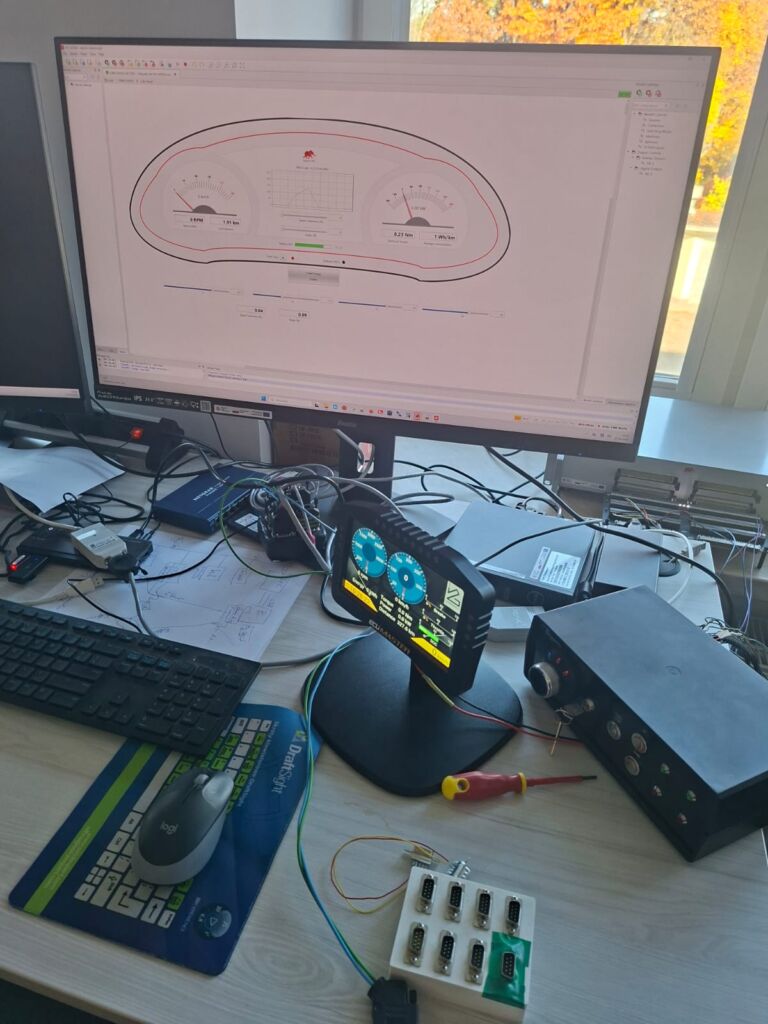
The Intelligent Transportation Laboratory also drew a great deal of interest, where participants could see how modern technologies support the safety and efficiency of transportation systems. Researchers also discussed issues related to hydrogen technologies and the role of hydrogen in the energy transition.
One of the biggest attractions was the demonstrations related to lightning. Participants learned about methods for studying storm phenomena and solutions used to protect energy infrastructure from the effects of lightning strikes.
Wrocław: Materials, Recycling, and Energy in Practice
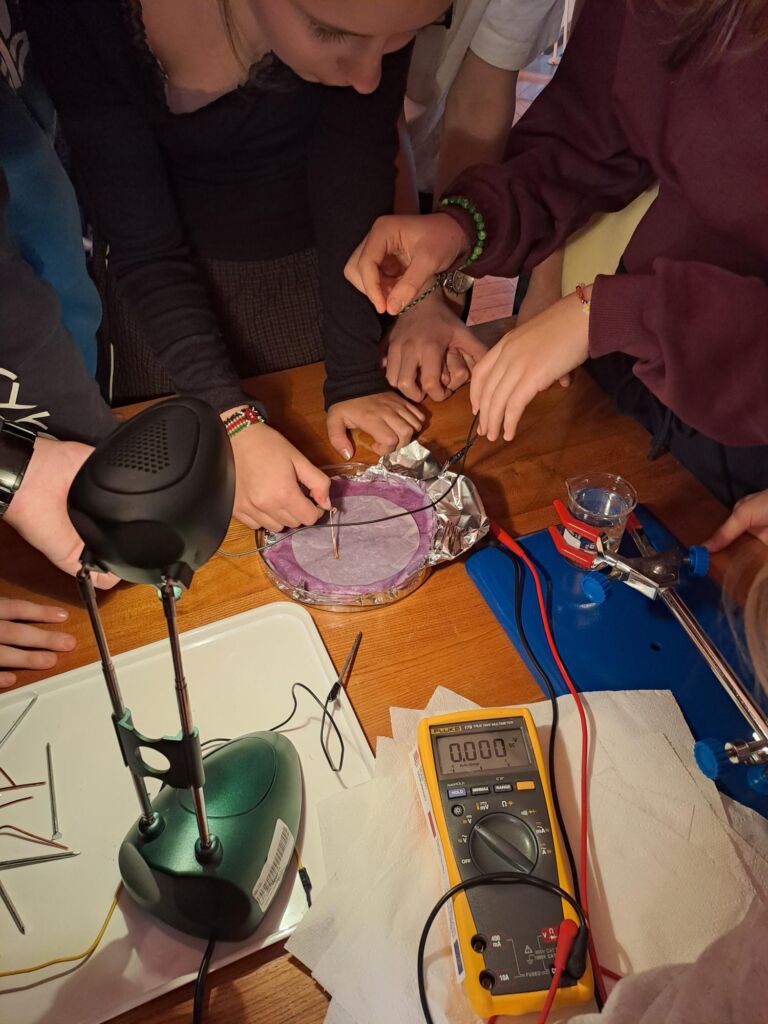
In Wrocław, Innovation Night took place in the laboratories of the Research Center for Electrotechnical Materials. Participants learned about methods for testing materials’ resistance to weather conditions, ways to protect against corrosion, and the importance of insulators used in high-voltage power systems.
Issues related to the circular economy were also a key part of the program. Guests had the opportunity to learn more about research into the management of waste from wind turbine blades, yacht hulls, and car body parts, as well as the possibilities for their reuse.
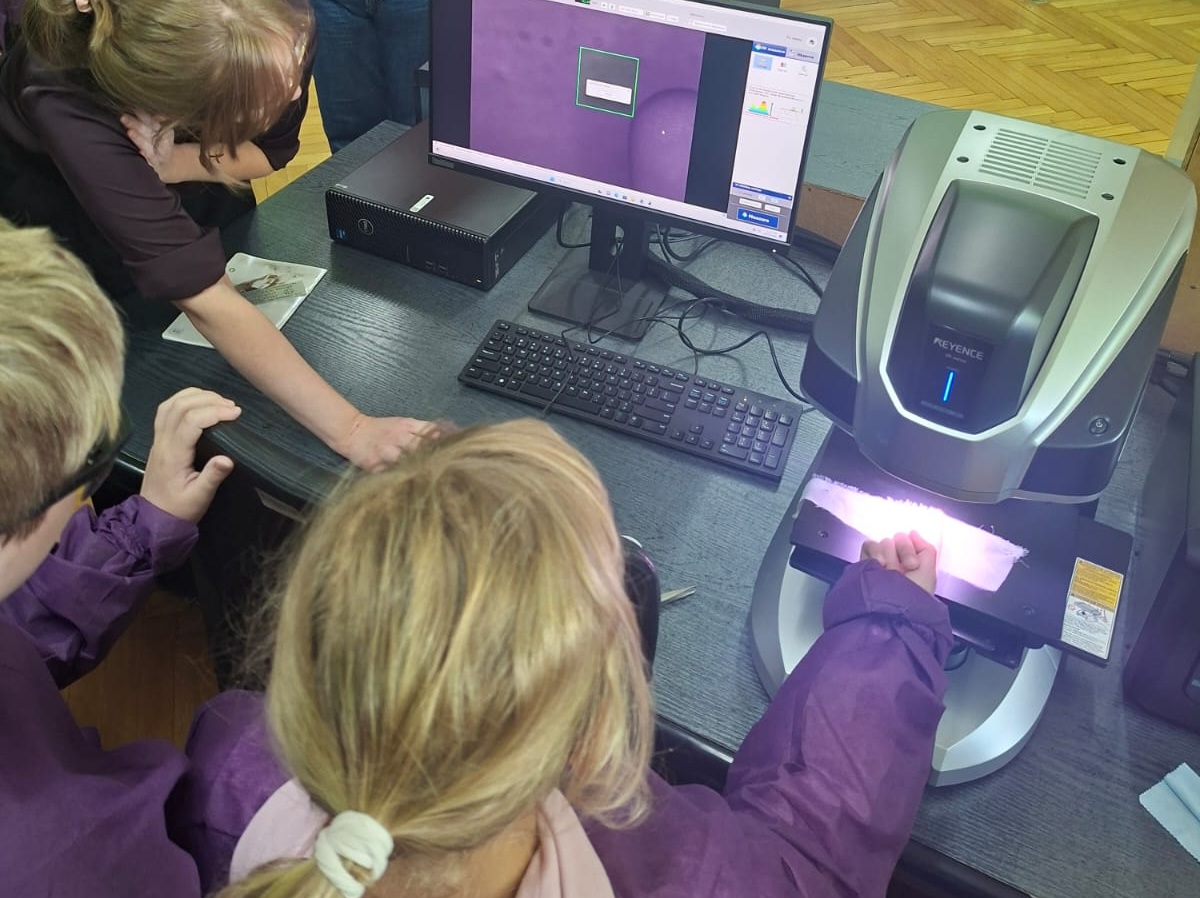
Microscopy labs allowed participants to observe objects at magnifications of up to 1,000 times, revealing details invisible to the naked eye. The program was complemented by art workshops that combined the themes of corrosion, materials, and recycling with the participants’ creative work.
A lecture on the functioning of home electrical systems, energy meters, and safety devices also provided insight into the practical aspects of electricity, demonstrating how engineering knowledge translates into our daily lives.
Science Accessible to Everyone
Innovation Night once again demonstrated that advanced technologies and scientific research can be presented in an accessible, engaging, and inspiring way. Through direct interactions with scientists, participants were able to better understand how innovations are created and the role science plays in addressing challenges related to energy, transportation, and environmental protection.
We would like to thank all participants for attending and actively taking part in the events organized by Łukasiewicz – Institute of Electrical Engineering in Warsaw and Wrocław.